


Written by Nancy Wu 伍翠蓮
Often described as the “Olympics of the library world,” the IFLA World Library and Information Congress (WLIC) is a major annual gathering and an important window into emerging trends in libraries worldwide. The 90th Congress was held at BEXCO in Busan, Korea, from August 10 to 13, 2026, under the theme “Libraries Powering Transformation.”
This year’s Congress brought together 3,191 librarians, researchers, and information professionals from 111 countries and regions, with 205 sessions and events and 50 organizations and vendors participating in the exhibition. Korea, the host country, had the largest number of attendees, followed by the United States, Canada, and China.

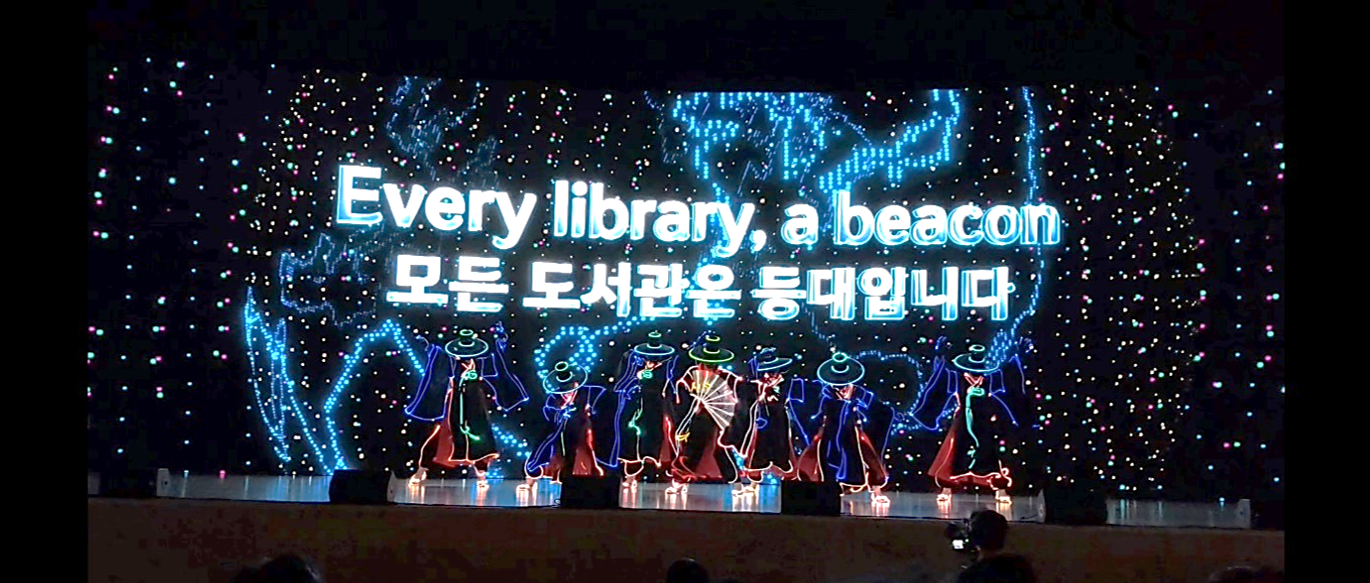
The dazzling opening ceremony
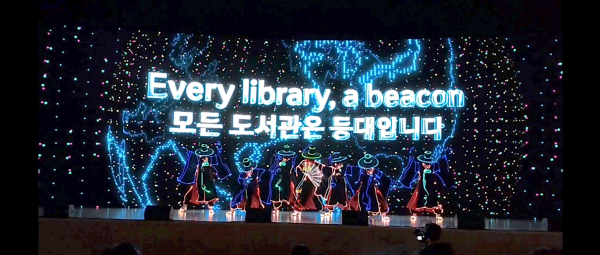
“Korean Heroes,” a spectacular light-and-dance performance at the opening ceremony
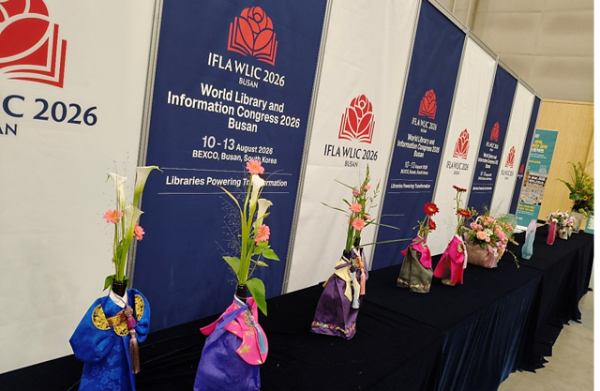
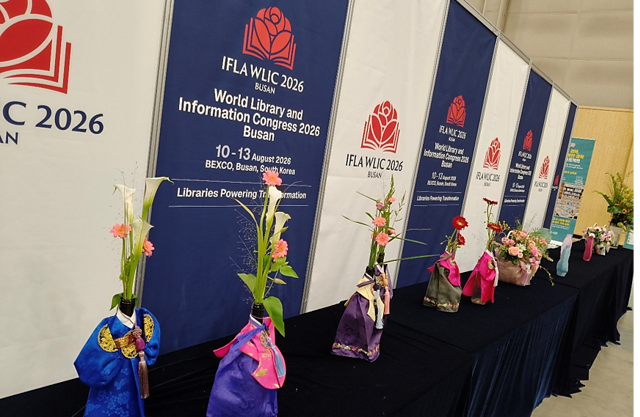
Culture Corner
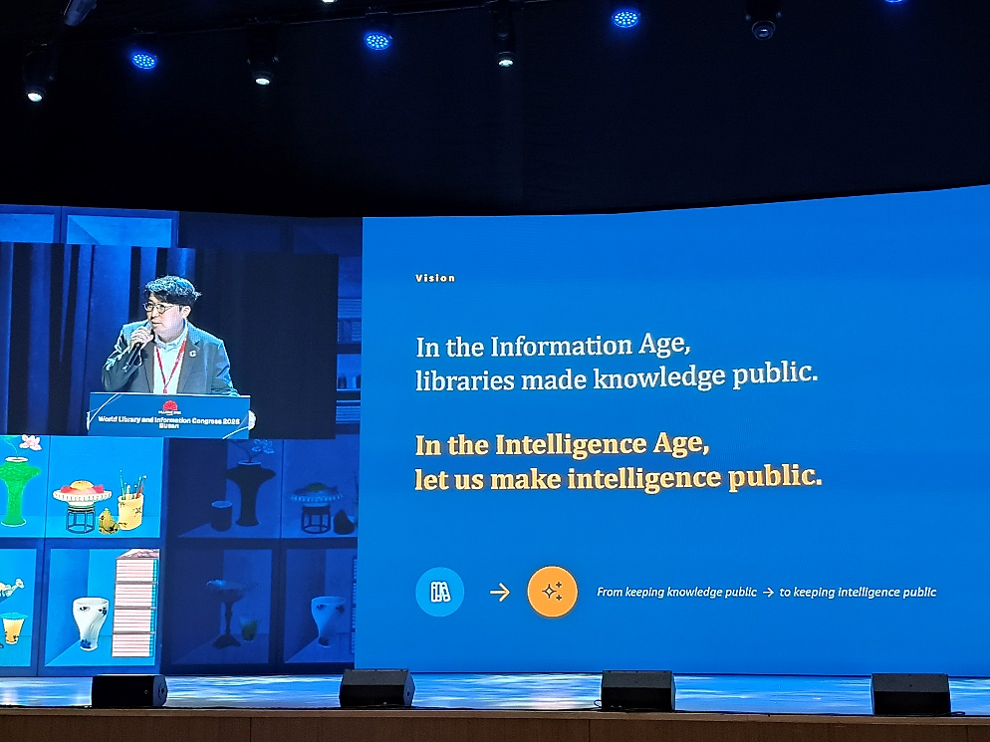
Keynote speech
Keynote speech
AI Remains the Hottest Topic of the Year
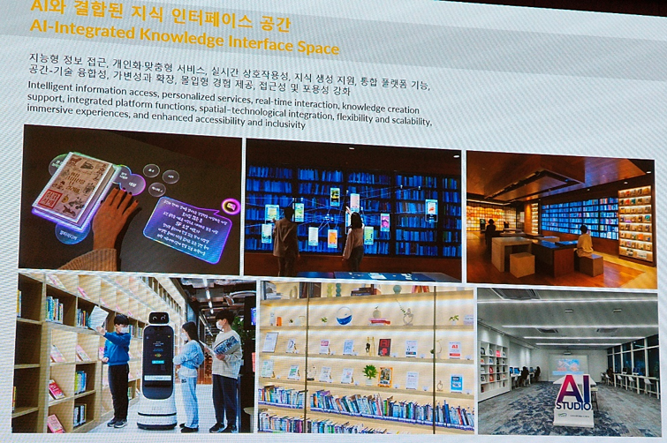
This year’s program covered a wide range of topics, including library transformation, digital collections, information access, cultural preservation, and social inclusion. Yet across the conference sessions and exhibition floor, one common theme stood out unmistakably: AI.
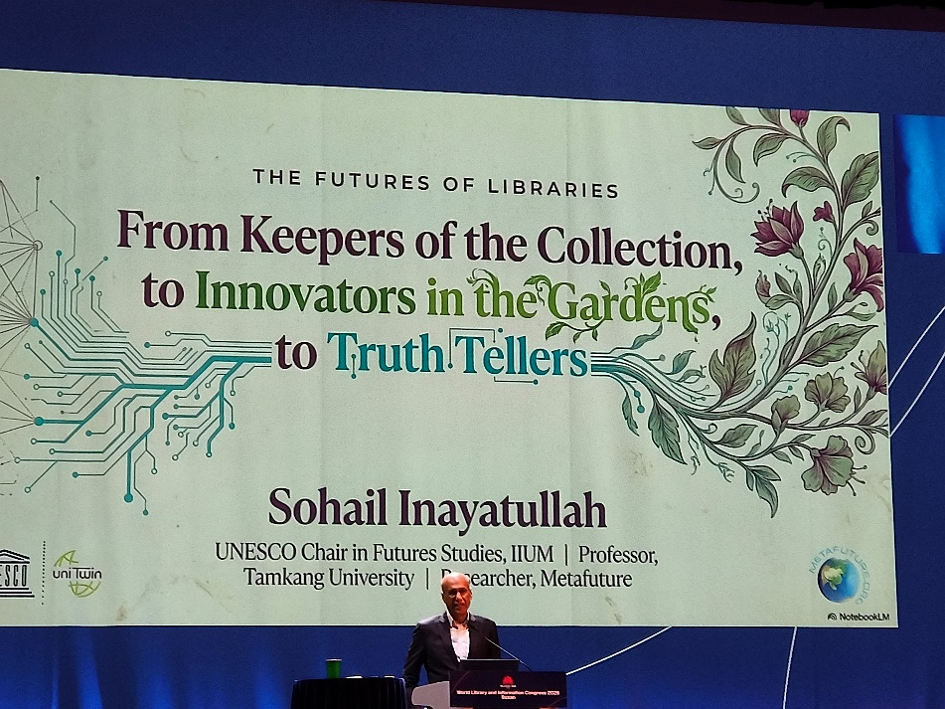
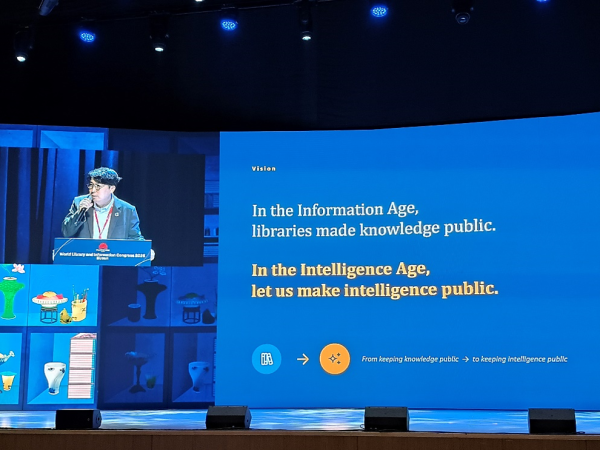
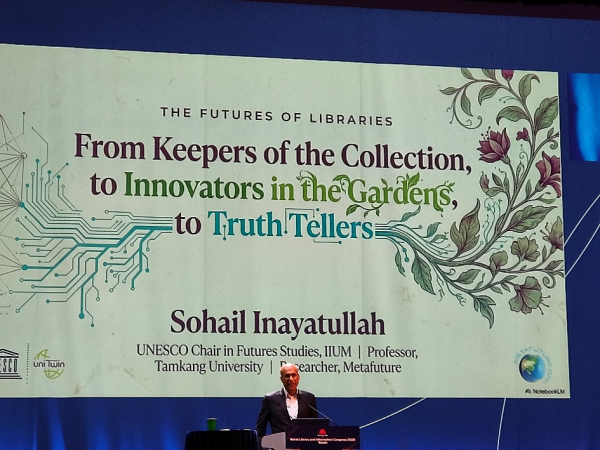
The three keynote sessions also approached the future of technology and libraries from different perspectives. Korean AI policy researcher Jiho Cha introduced the concept of an “AI-powered basic society,” exploring how libraries can ensure equitable and trustworthy access to knowledge as AI increasingly becomes part of the public infrastructure. Futurist Sohail Inayatullah reimagined the future of libraries against the backdrop of AI, global economic shifts, and social change. Mahaletchumy Arujanan and Tommi Laitio, meanwhile, approached the subject through science communication and “coexistence,” examining how libraries can evolve beyond information providers to become public spaces connecting knowledge, society, and communities.
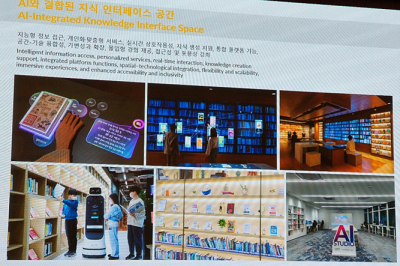
When Art Meets AI: Five Ways to Bring Collections to Life
One particularly popular session on the morning of August 11 was “Visualizing Art: Multimedia Transformations in Libraries.” Through five live demonstrations, the session showed how AI, augmented reality, accessibility technologies, and multimedia are already finding practical applications in libraries and cultural institutions.
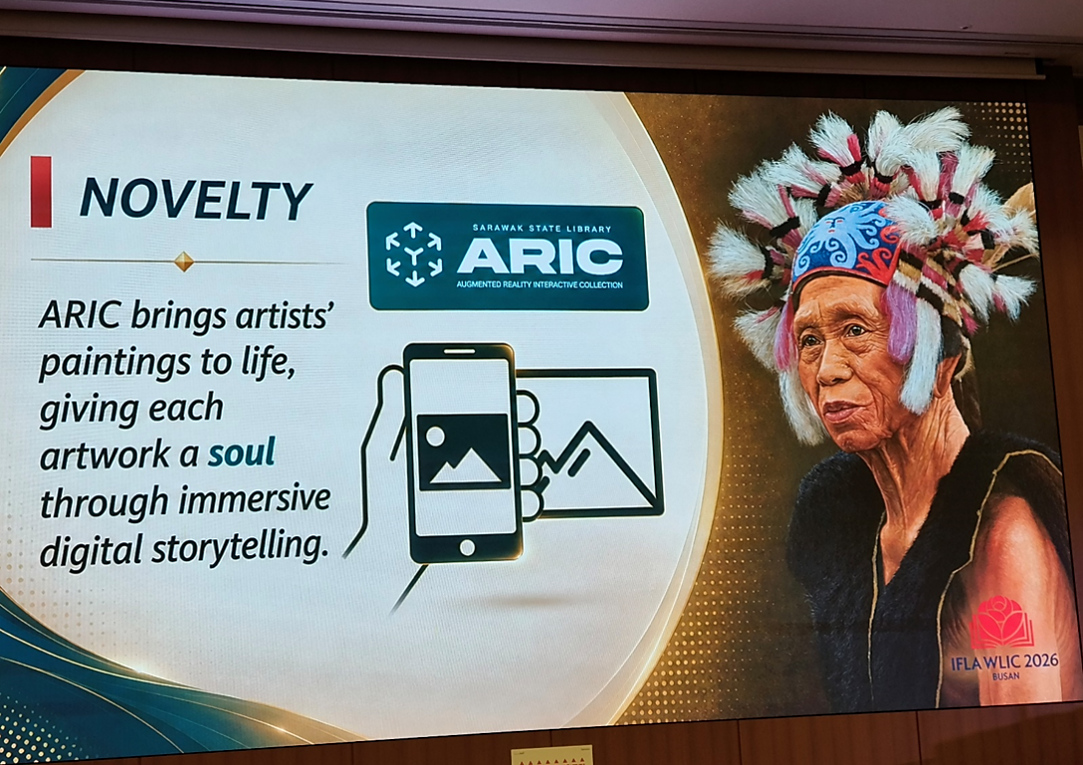
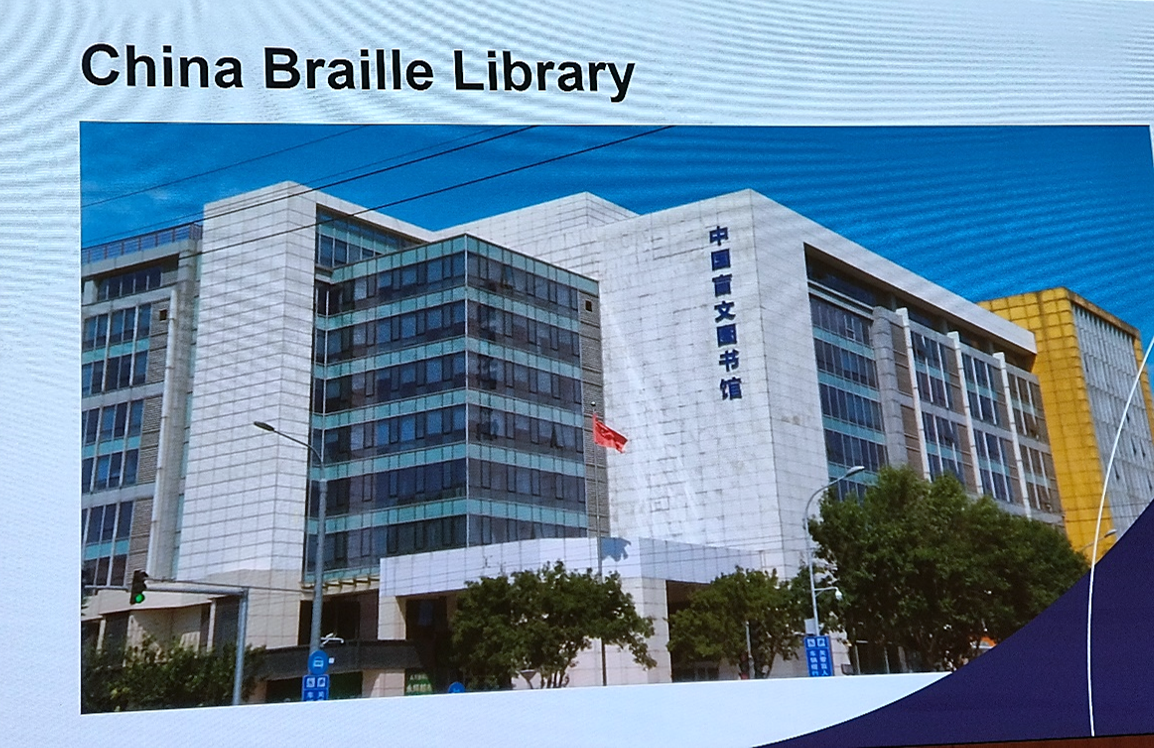
The five cases included using augmented reality (AR) to bring static paintings to life; applying AI4LAM to identify, organize, and explore art and audiovisual collections; using innovative technologies to make highly visual classical art accessible to people with visual impairments; employing AI to preserve and revitalize India’s extensive multimedia heritage; and the Digital Book Kiosk, which combines the experience of reading a physical book with images, animation, and audiovisual content.
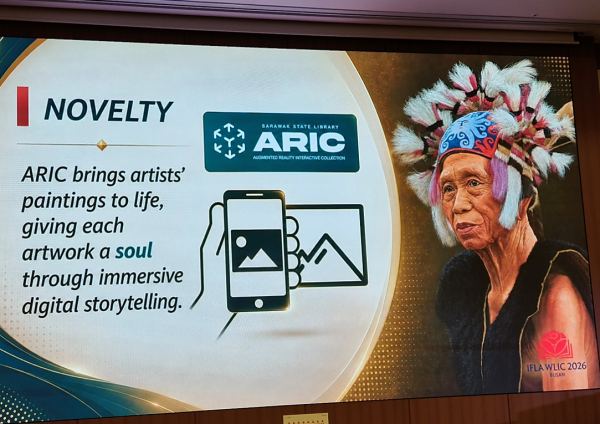
Sarawak State Library–ARIC
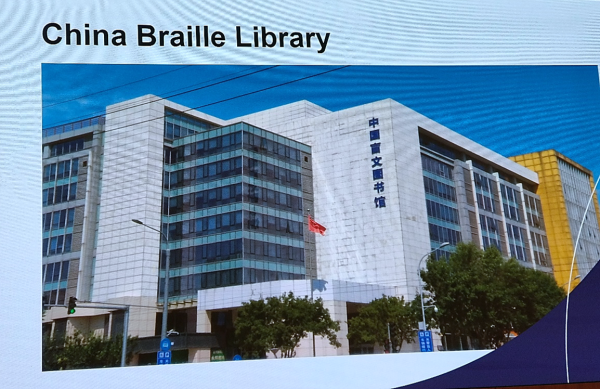
China Braille Library
A “Blank Book” Steals the Show—and Wins the Vote
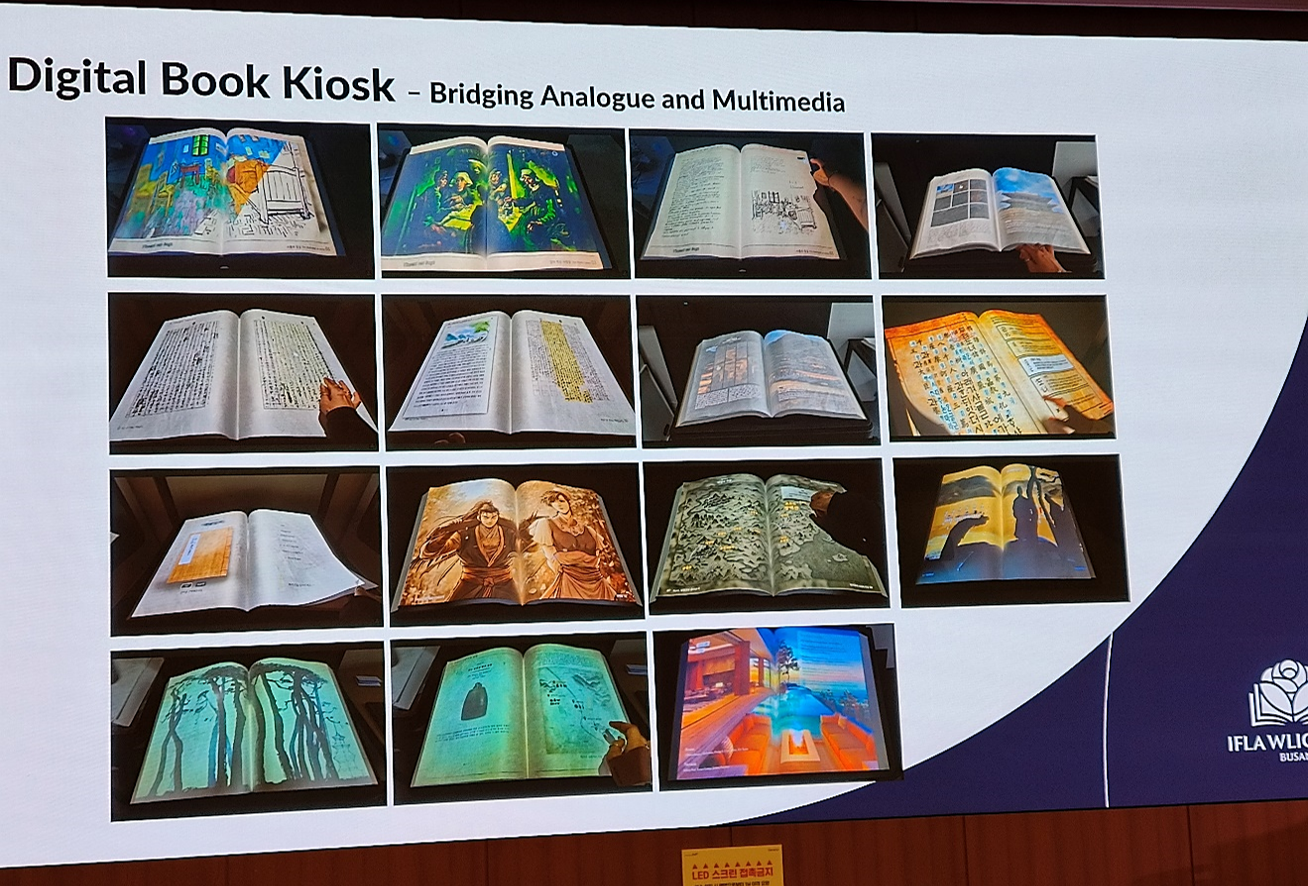
Perhaps the most memorable demonstration was the Digital Book Kiosk, developed by Korea’s Ubidus.
At first glance, readers see what appears to be an ordinary physical book that they can turn by hand. Open it, however, and there is a surprise: the pages are blank. Projection and sensing technologies then bring text, images, animation, and even video to life directly on those pages. There is no mouse to operate, no touchscreen to navigate, and no new interface to learn. Readers simply do something humans have been doing for centuries: turn the page. In this way, the familiar tactile experience of a printed book is seamlessly combined with the expressive possibilities of digital media.
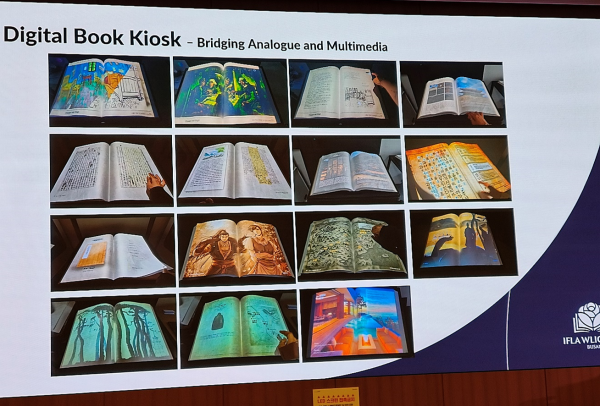
The “blank book” that stole the show and won the audience vote
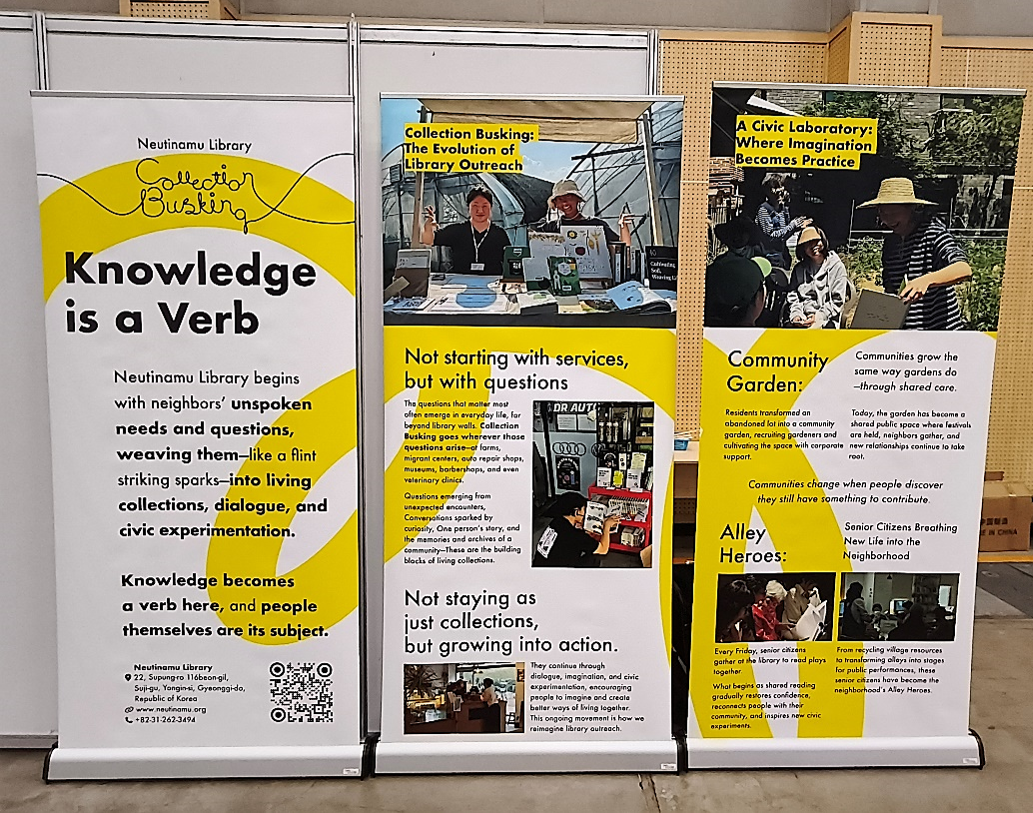
After all five demonstrations, the audience was invited to vote online for their favorite. The Digital Book Kiosk emerged as the clear winner. Interestingly, this was far more than an experimental concept. The Digital Book Kiosk has already been adopted by major Korean cultural institutions, including the National Museum of Korea and the National Library of Korea. Shortly after its success at IFLA, global library technology leader Bibliotheca announced that it had secured exclusive international distribution rights for Ubidus’s Digital Book Kiosk, paving the way for this Korean-developed reading technology to reach libraries around the world. A local library highlighting its special collection of human-rights books. This year’s exhibition featured 300 posters created by libraries around the world.
What will the library of the future look like?
From AI-powered search and digital collections to AR, accessibility technologies, and new reading interfaces, IFLA 2026 was about much more than the new technologies libraries are beginning to adopt. It raised a larger question: As the ways we access knowledge continue to change rapidly, what will the library of the future look like?
For United Digital Publications (UDP), which continues to visit international academic and library events around the world, the four days in Busan offered a valuable opportunity to observe—and reflect on—where the world’s libraries may be heading next.
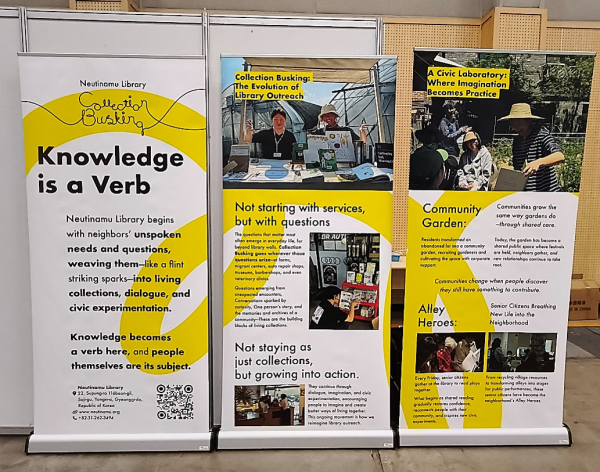
A local library features a collection of “human rights books.” This year, a total of 300 posters produced by libraries across the country are on display.
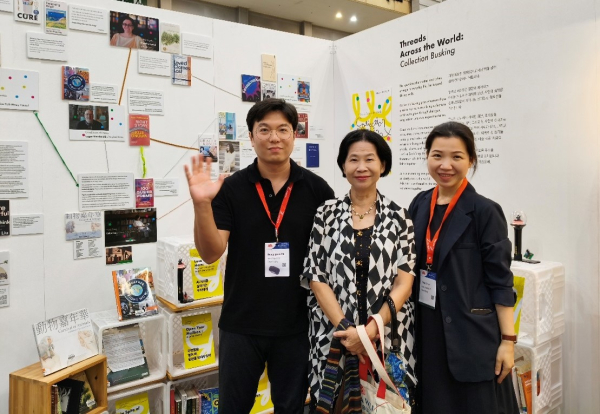

Cultural Night