
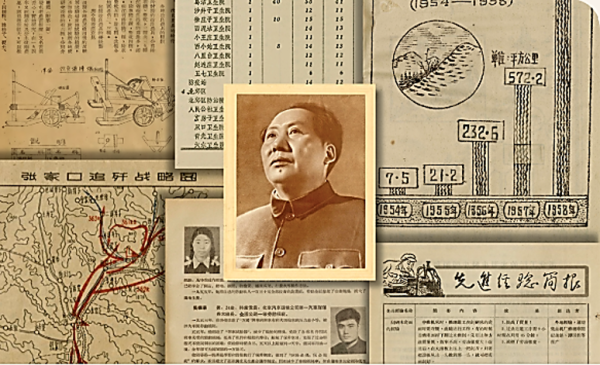
As historical records scattered across the world come together, a richer, more authentic picture of the Mao era emerges.
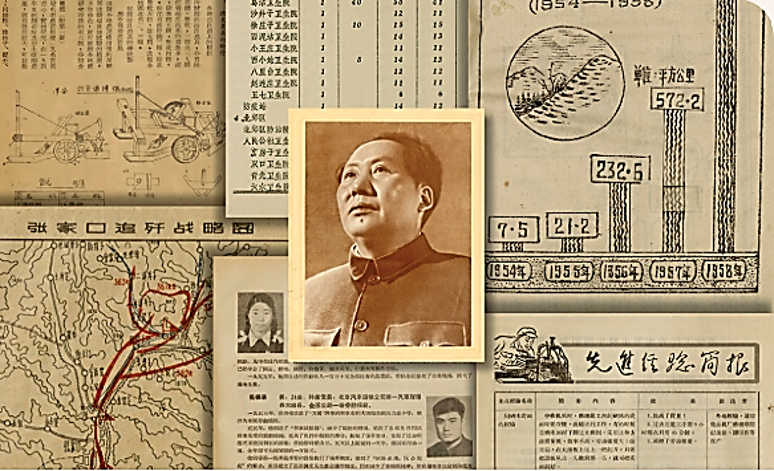
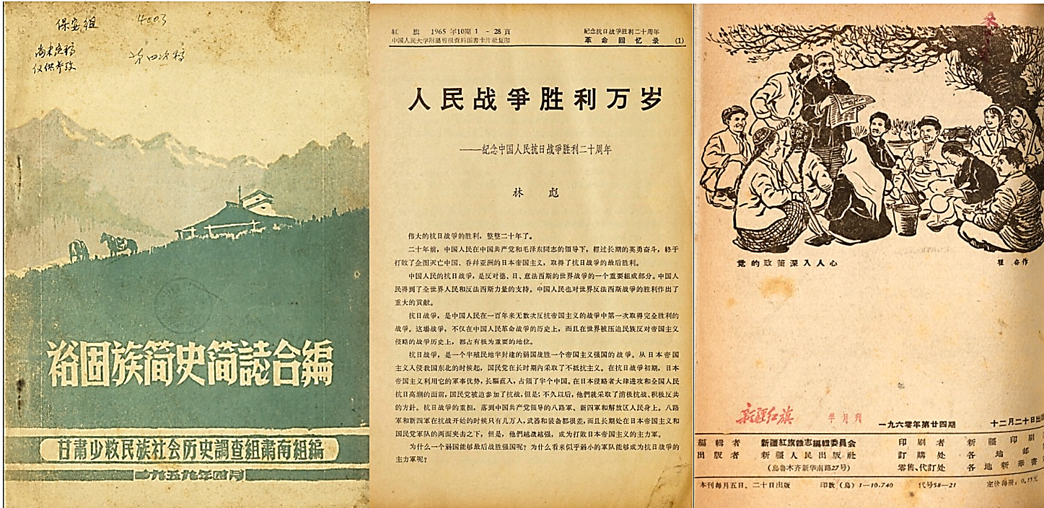
An ethnographic survey captures the changing lives of China’s frontier communities. An industrial bulletin offers a glimpse into socialist construction. A propaganda poster or military training manual preserves the imprint of political campaigns and ideological mobilization.
These rare historical materials, once dispersed among print archives around the world, are now brought together in East View’s Archive of the Mao Era. Many of these valuable primary sources are becoming accessible outside China and online for the first time, bringing previously difficult-to-access records into the global scholarly spotlight.
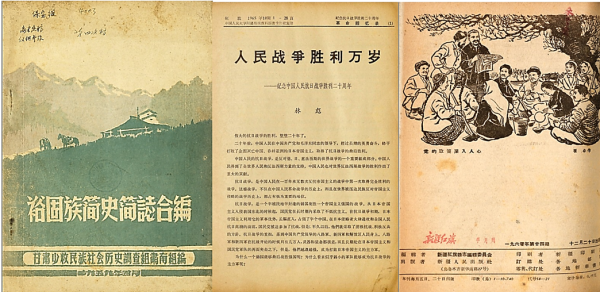
Archive of the Mao Era(1949-1976)
Spanning revolution, the founding of the People’s Republic, socialist construction, and the Cultural Revolution, this growing digital collection illuminates China’s political, economic, ethnic, military, educational, and cultural history.
Beyond digitization, the archive provides detailed bibliographic information—including original titles, dates, historical periods, descriptions, places of origin, and issuing organizations—along with indexes of people, places, topics, document types, and issuing entities. These rich discovery tools help researchers trace the origins of documents, connect historical contexts, and uncover new avenues of inquiry.
By bringing scattered historical records together, the Archive of the Mao Era reveals new dimensions of a complex and transformative period in China’s history.
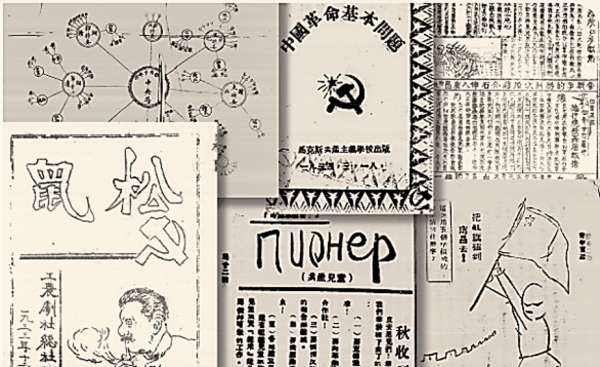
The Chinese Soviet Republic Archive( 1905-1940)
Before 1949: A Revolutionary Blueprint for the People’s Republic
What did Communist state-building look like before the founding of the People’s Republic of China?
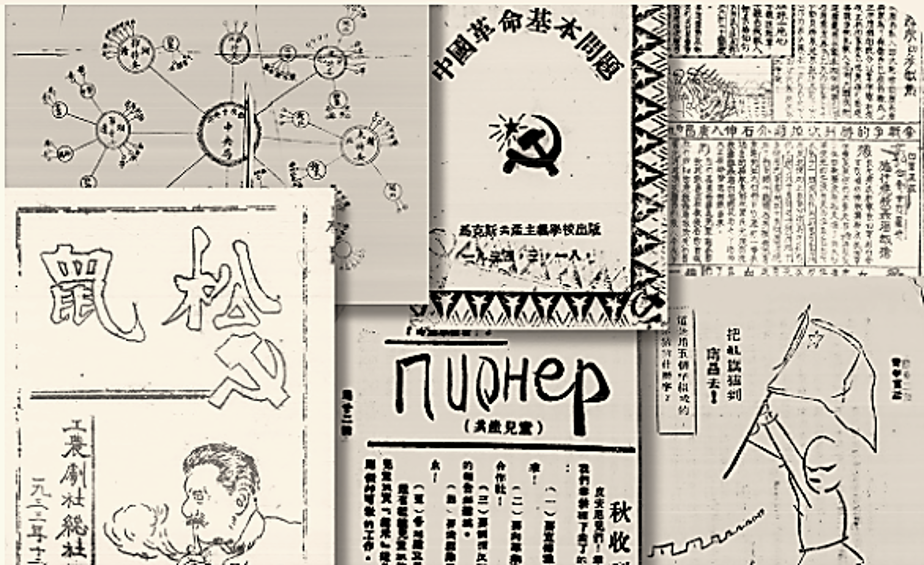
Through rare bulletins, telegrams, military records, and government documents from the Jiangxi revolutionary base, this archive reveals an early experiment in Communist governance—from monetary systems and military mobilization to local administration, justice, and education.
Founded by Mao Zedong and Zhu De in 1931, the Chinese Soviet Republic offers a revealing glimpse into the institutional foundations of the future PRC. Equally remarkable is the history of the documents themselves: collected and preserved through efforts involving Taiwan’s former Vice President Chen Cheng and the Hoover Institution, these records offer invaluable primary sources for reconsidering the origins of Communist state-building in China.
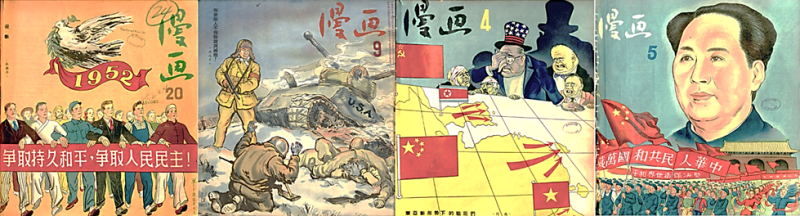
Manhua Digital Archive (中國漫畫1950-1960)
How Did Cartoons Shape the Political Imagination of Mao-Era China?
From Korean War mobilization and land reform to the Great Leap Forward, cartoons did far more than entertain. They helped communicate state policies, mobilize public opinion, and shape the visual language of socialist China.
Founded by artist Mi Gu in 1950, Manhua captured the changing political and cultural climate of the decade—from colorful portrayals of everyday life to increasingly ideological campaigns. The archive preserves all 164 issues, from the very first publication, with original page images and searchable full text. A compelling primary source for political communication, visual culture, Cold War studies, and digital humanities research.