
Written by Dr. Chang Lu 張露

Ca’ Foscari Palace, Venice. (Image courtesy of Ca’ Foscari University of Venice.)
From July 21 to 25, 2026, the 26th Biennial Conference of the European Association for Chinese Studies (EACS)—one of the most important academic gatherings in the field of Chinese Studies in Europe—was held at the San Giobbe Campus of Ca’ Foscari University of Venice, Italy. Co-organized by EACS and the Department of Asian and North African Studies at Ca’ Foscari University of Venice, the conference brought together more than a thousand scholars of Chinese Studies from across Europe and around the world. Participants engaged in vibrant academic exchanges on a wide range of topics, including the Chinese language, history, literature, art, philosophy, society, and culture.
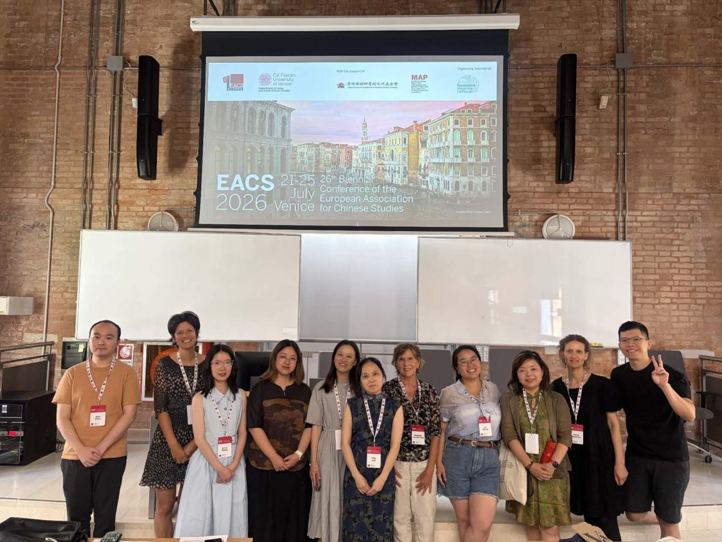
Jeff, Manager of UDP’s International Business Division (far right), poses for a group photo with conference participants. (Photo by the author)
One of the defining features of this year’s conference was the pervasive presence of artificial intelligence across nearly every field of discussion. This reflected how the EACS conference has evolved beyond traditional Sinology into a platform where **AI and Chinese Studies** increasingly intersect.
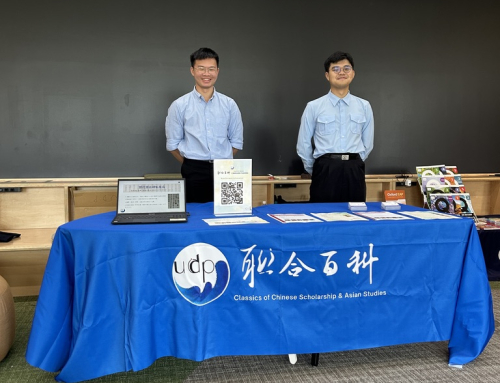
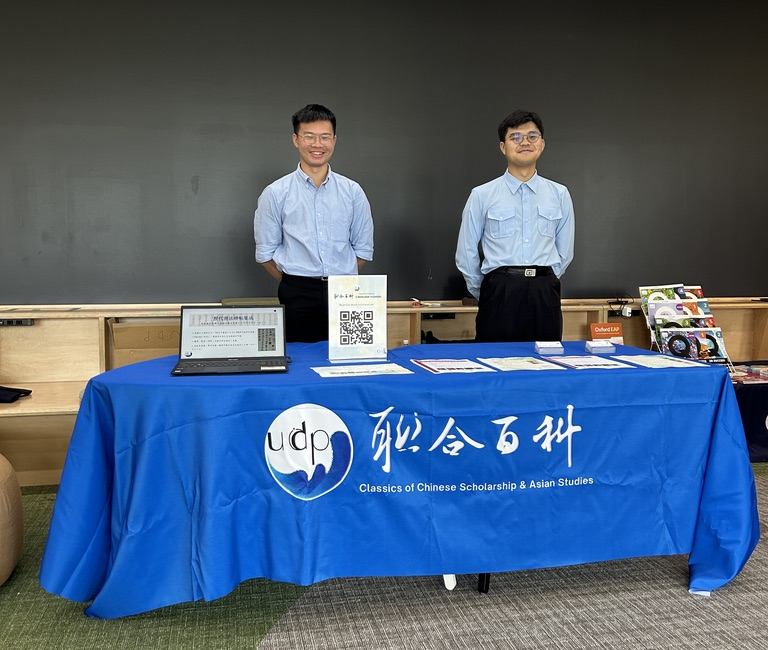
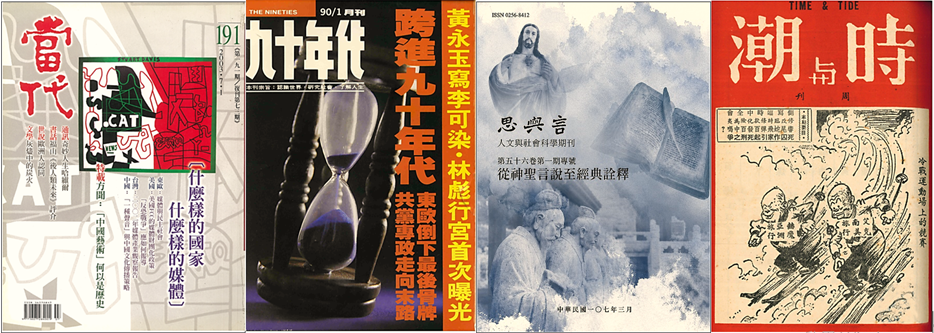
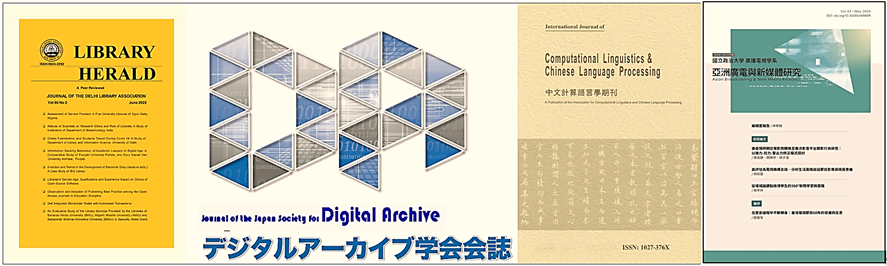
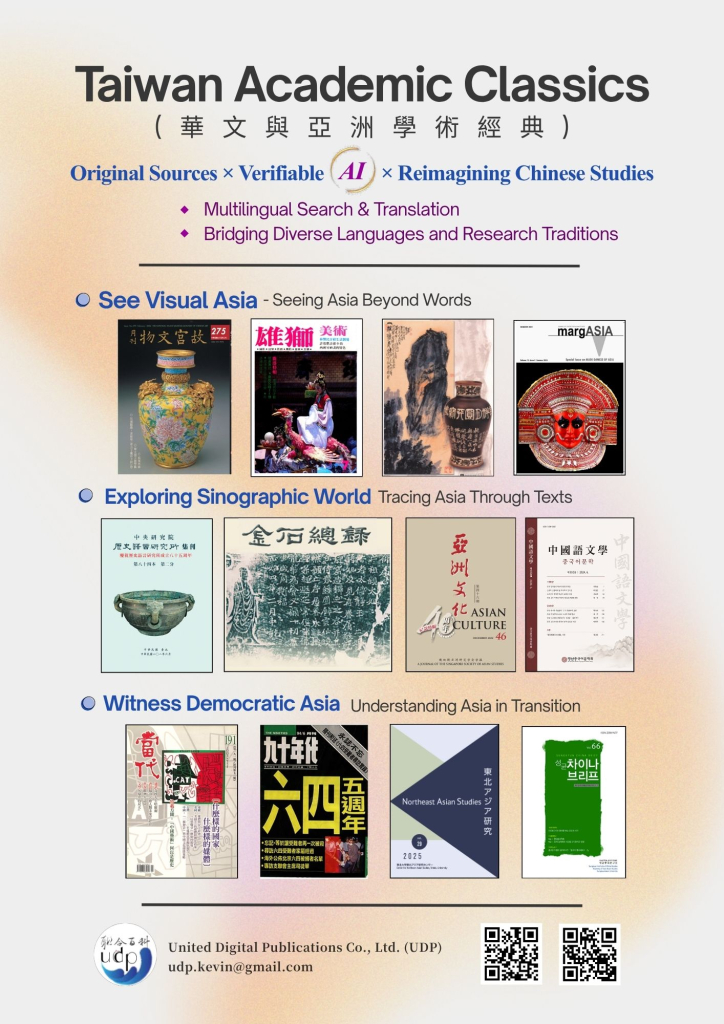
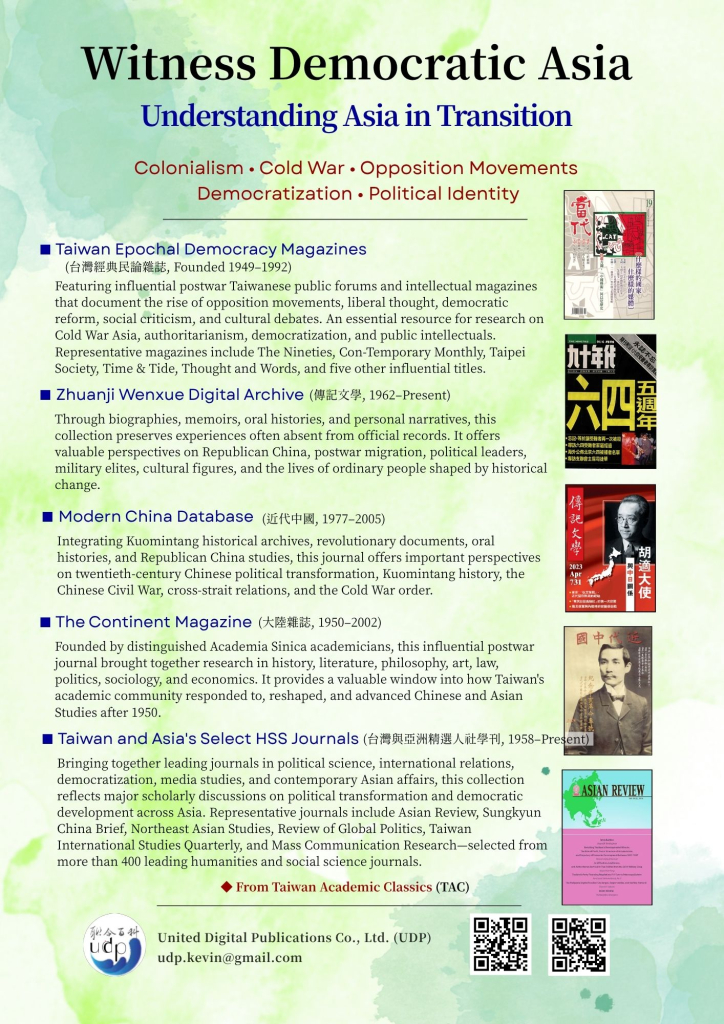
This marked **UDP’s third participation as an exhibitor at EACS**, providing an excellent opportunity to introduce its latest **Lumen AI Search** technology, along with three major digital humanities resources: **Visual Asia**, **Chinese Character Cultural Sphere**, and related scholarly collections. Through in-depth exchanges with researchers from around the world, UDP showcased its continued commitment to advancing international Chinese Studies. The company’s long-term investment in this field is evident in its active and growing role within the global network of Sinology research.
AI: A New Method for Chinese Studies
As the latest wave of technological innovation continues to advance, the humanities are entering a new research paradigm. An increasing number of scholars are combining quantitative and qualitative approaches while adopting emerging methods such as artificial intelligence and digital humanities to expand their research pathways and reconsider the possibilities of knowledge production and academic innovation.
At this year’s EACS conference, numerous paper presentations and panel discussions focused on AI-related topics. These included AI ethics, AI governance, digital empires, AI and Chinese society and culture, the digitization of historical documents, multilingual translation and summarization, and the application of AI in museums, archival collections, and historical research. Together, these discussions demonstrated the profound impact that artificial intelligence is having on the future direction of the humanities and social sciences.
This trend suggests that AI is no longer merely a technical tool used to support research. It is increasingly becoming an important subject of Chinese Studies in its own right, as well as a major force driving the development of digital humanities and interdisciplinary research. In doing so, AI is opening up new perspectives and new models of knowledge production across the humanities.
This trend also closely aligns with the direction that United Digital Publications has pursued in recent years. UDP has continued to invest in the digitization of academic journals, books, images, and documentary materials, building extensive knowledge collections in the humanities and social sciences. With the development of AI, these resources are now evolving beyond conventional information retrieval toward more intelligent forms of scholarly application.
AI-assisted academic inquiry, semantic search, image search, document relationship analysis, and research tools that integrate knowledge graphs with scholarly networks all enable researchers to identify connections among sources more quickly, rather than simply locate a single answer.
UDP’s humanities and social sciences AI platform, **Lumen**, was developed on the foundation of the company’s academic databases accumulated over many years. Unlike general-purpose generative AI systems, Lumen emphasizes that every response is grounded in verifiable academic sources. It also provides source references and suggested further reading, helping researchers establish connections across disciplines, historical periods, and languages.
In this way, Lumen creates an explorable and traceable **“knowledge diffusion map.”** Researchers can not only gain a rapid overview of relevant scholarship, but also uncover potential links between different fields of inquiry, offering new perspectives for research in the digital humanities.
Harnessing AI, Not Being Replaced by It
At the same time, UDP firmly believes that the true value of AI lies not in replacing scholars, but in making knowledge easier to discover, understand, and apply.
As AI continues to transform document analysis, image recognition, knowledge organization, and cross-lingual information retrieval, UDP will continue to explore new ways of integrating artificial intelligence with the digital humanities. By combining decades of accumulated academic resources with the latest AI technologies, the company aims to unlock greater research value and broaden the cultural impact of its scholarly collections in the age of artificial intelligence.
Rather than replacing human expertise, AI should empower researchers to ask better questions, uncover deeper connections, and generate new insights. Through this vision, UDP remains committed to supporting scholars worldwide with trustworthy, AI-enabled research tools that foster innovation while preserving the rigor and integrity of academic scholarship.
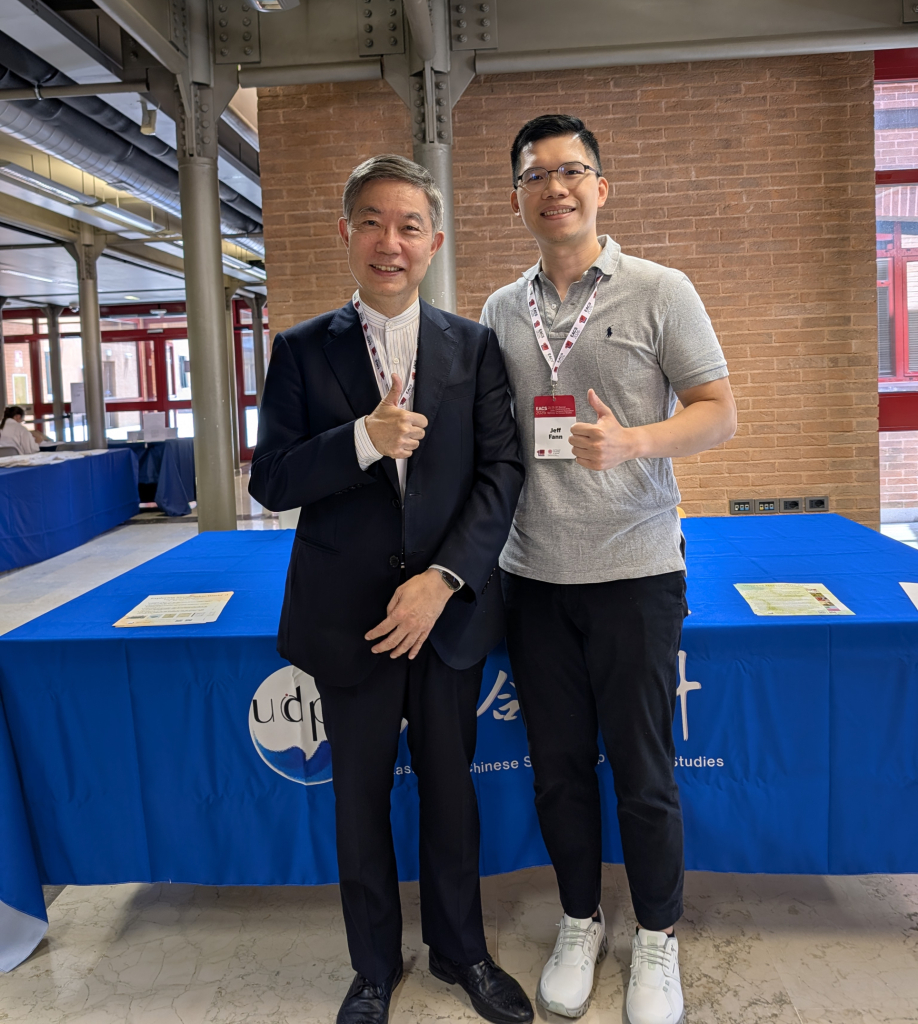
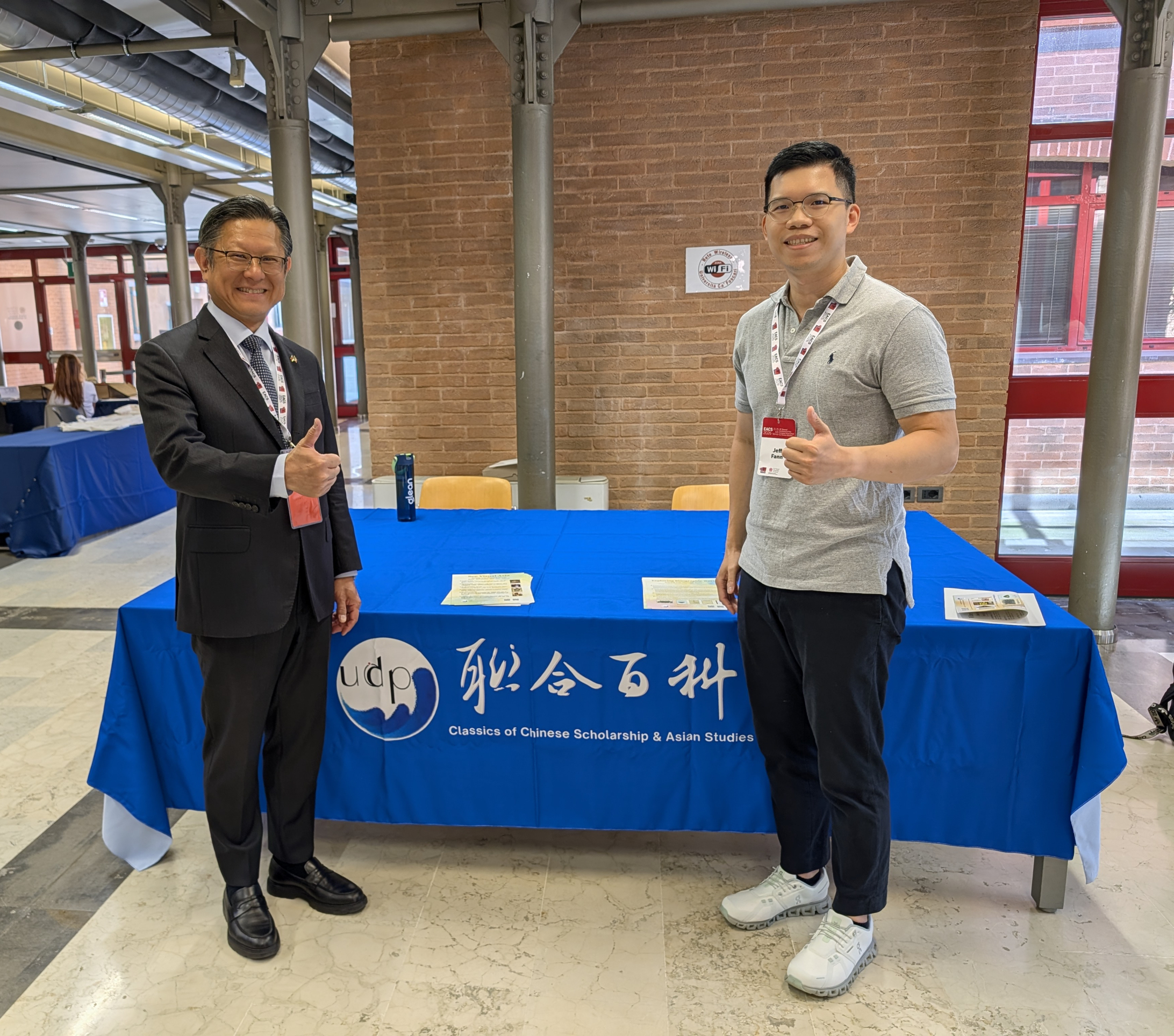
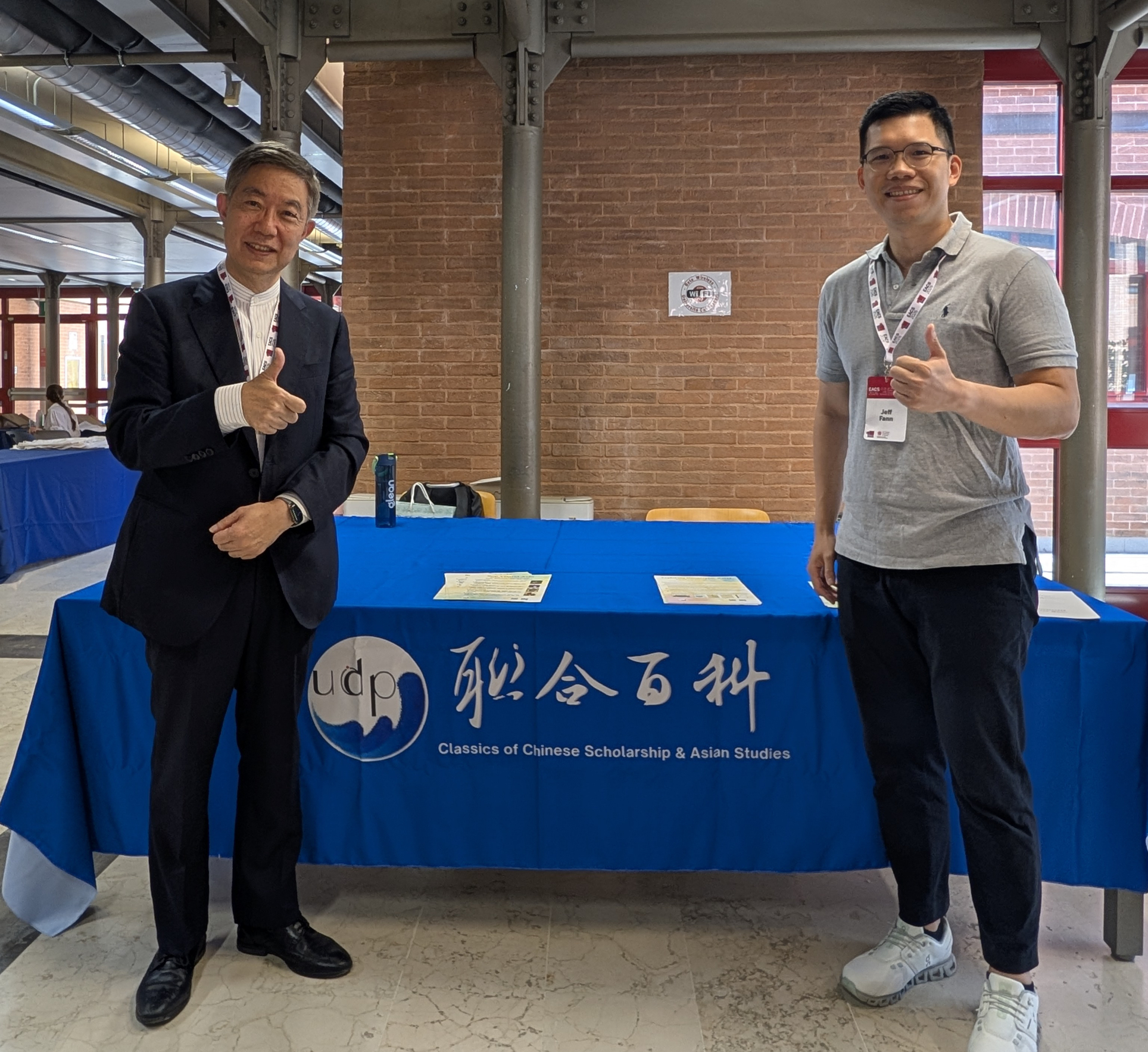
Jeff Fan with Dr. Chen Chun-yi (陳純一), Executive Director of the Chiang Ching-kuo Foundation for International Scholarly Exchange.
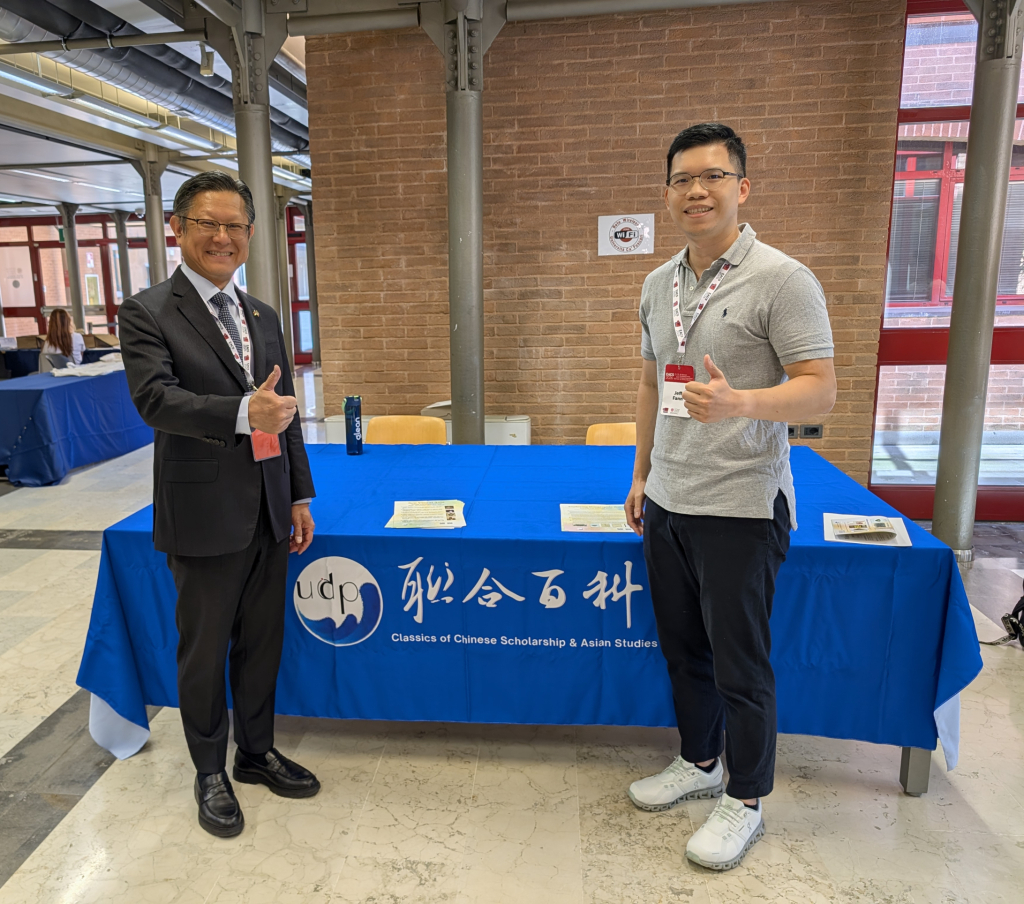
Dr. Lin Tsan-nan (林讚南), Director-General of Ufficio di Rappresentanza di Taipei in Italia-Ufficio di Milano

Group photo at the book donation ceremony, where the National Library presented books to Ca’ Foscari University of Venice.
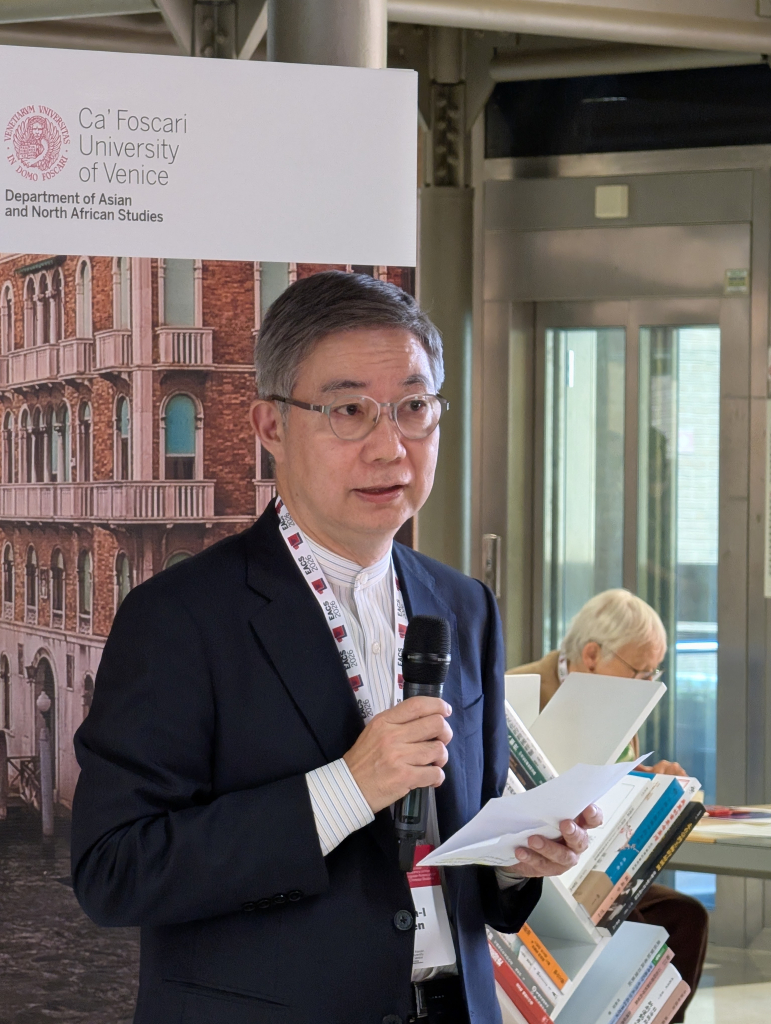
Dr. Chen Chun-yi (陳純一), Executive Director of the Chiang Ching-kuo Foundation for International Scholarly Exchange (CCKF), delivers remarks at the book donation ceremony.
During the conference, Jeff Fan, International Business and Product Manager at United Digital Publications (UDP), engaged in in-depth discussions on Lumen AI Search with representatives from CrossAsia in Berlin, the Chiang Ching-kuo Foundation for International Scholarly Exchangein Taiwan, and the Center for Chinese Studies of the National Library. The technology received highly positive feedback from participants. Discussions centered on the promotion of Chinese Studies, the dissemination of scholarly knowledge, and digital transformation, with participants exchanging experiences and exploring the evolving role of libraries, academic databases, and knowledge platforms in the digital age.
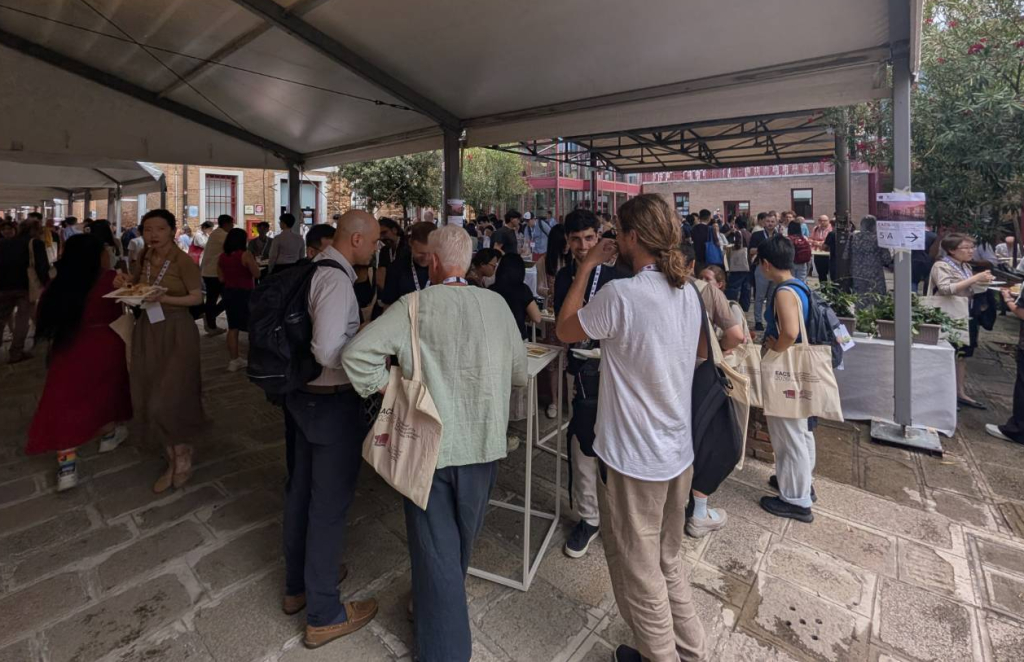
UDP also had the pleasure of reconnecting with many long-time collaborators and distinguished scholars in the field of Chinese Studies while meeting new colleagues from Europe and around the world. Conversations throughout the conference, informal coffee breaks, and academic discussions not only strengthened existing partnerships but also opened new opportunities for future collaboration in Chinese Studies, knowledge dissemination, and international academic exchange.
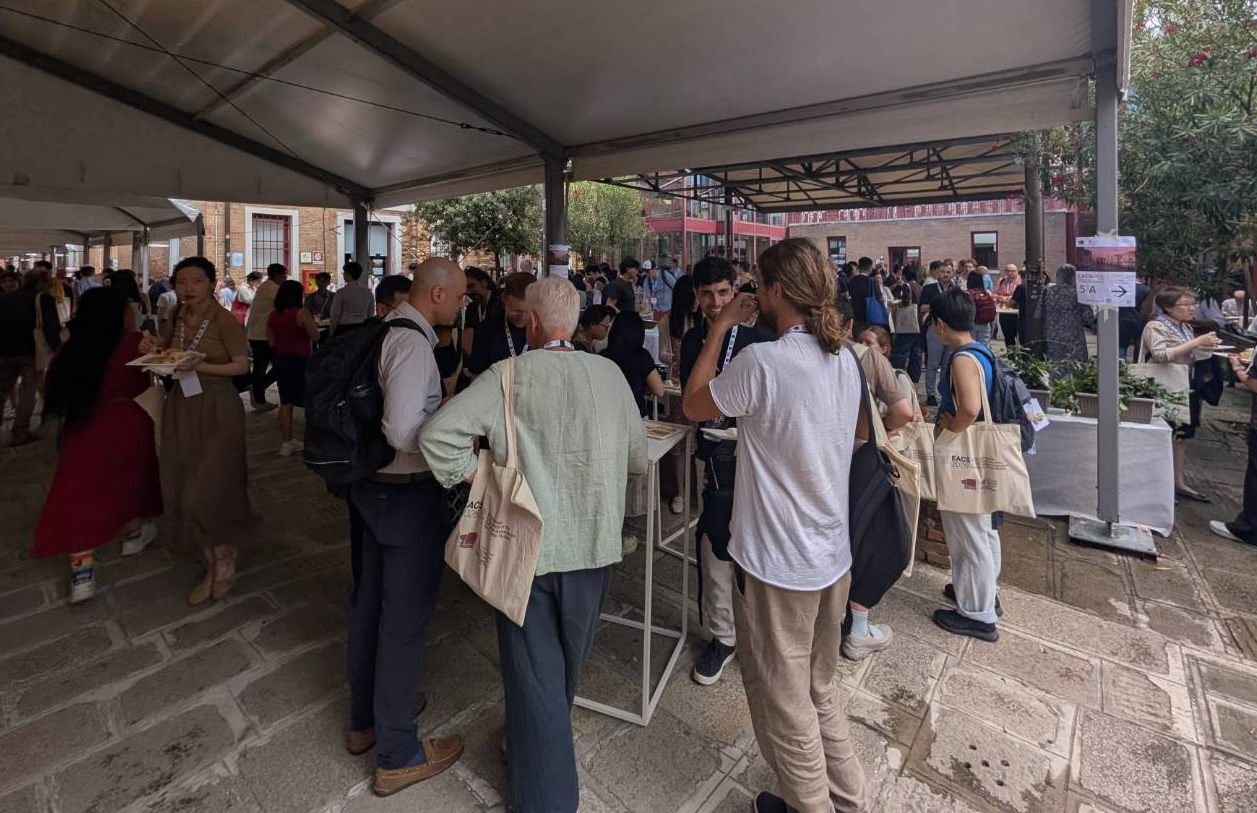
Accompanied by rich Italian coffee, exquisite pastries, and authentic local buffet lunches, intellectual dialogue and cultural exchange unfolded naturally, creating an inspiring atmosphere where ideas were shared as freely as the conversations themselves.