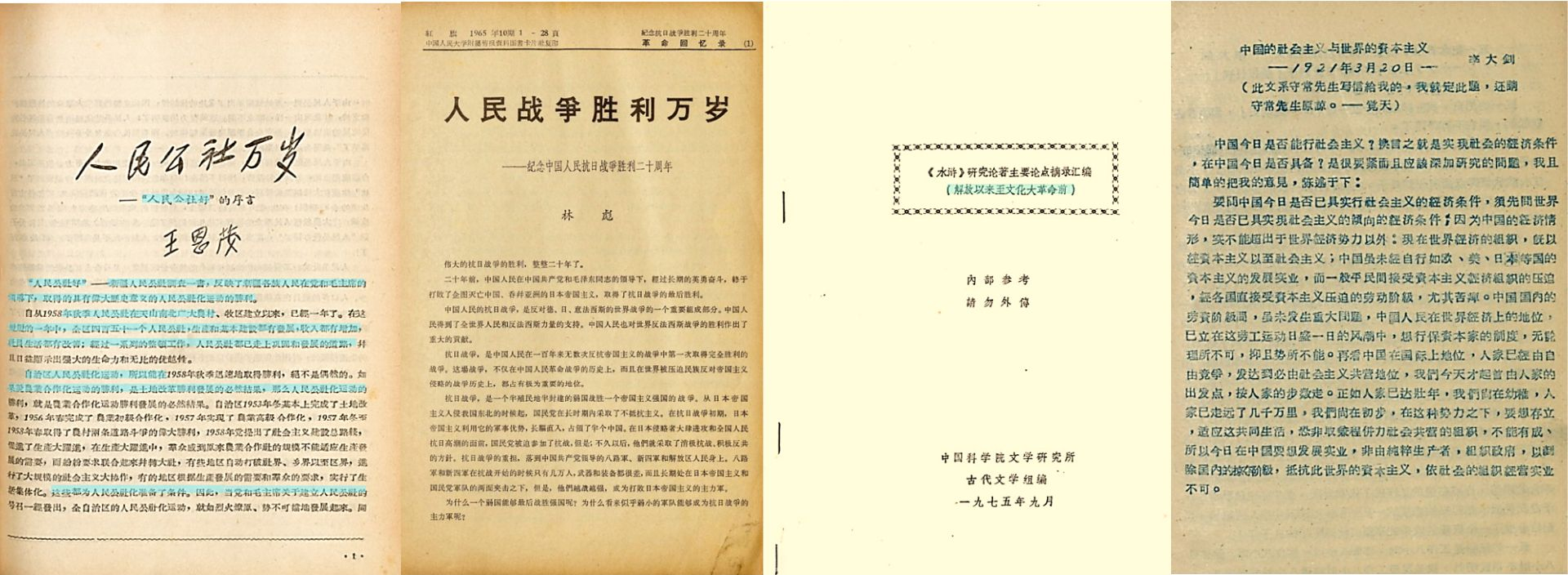
As scattered historical records come together, a richer, more authentic picture of the Mao era emerges.
The Mao era was a period of profound political, economic, and social transformation in modern China. Beyond major political movements and prominent leaders, what can government documents, ethnic surveys, industrial publications, military reports, propaganda materials, and scholarly records reveal about the lives and institutions of the time?
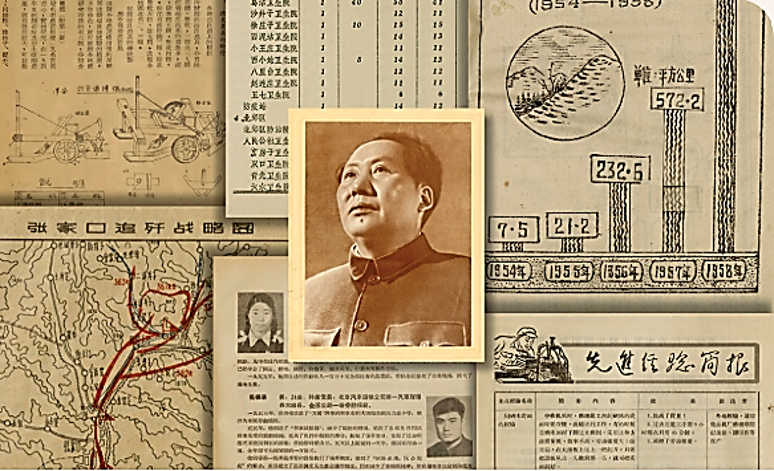
Published by East View, the Archive of the Mao Era brings together rare historical materials preserved in print archives around the world. Many are becoming accessible online and to researchers outside China for the first time, opening new opportunities to explore previously difficult-to-access sources. Centered on 1949–1976, the collection also extends to earlier revolutionary movements and developments following Mao’s death. Its diverse holdings illuminate not only political ideology and state governance, but also economic development, education, scientific research, ethnic policies, and everyday society.
Multiple Perspectives on a Transformative Era
1. Ethnic Surveys: Exploring China’s Borderlands and Local Communities
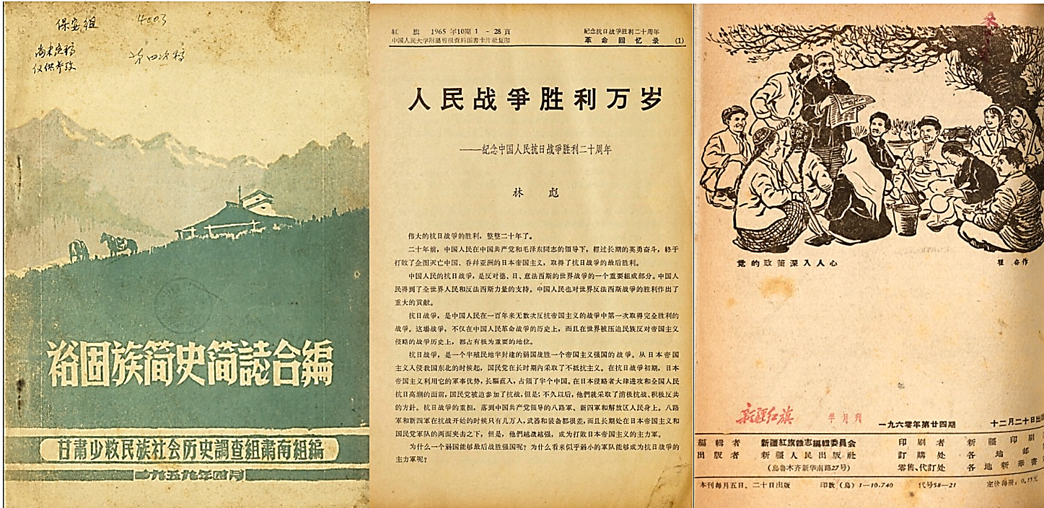
A distinctive strength of the archive is its collection of historical surveys produced by the Chinese Academy of Sciences’ Institute of Ethnology and regional ethnic research teams. Covering Xinjiang, Inner Mongolia, Yunnan, Guizhou, Sichuan, Guangxi, Gansu, and northeastern China, these materials document communities including Tibetans, Uyghurs, Yi, Miao, Daur, Oroqen, and Jingpo. They offer valuable evidence for studying ethnic policies, frontier governance, social change, and the development of ethnographic and anthropological knowledge
2. Industry and Economic Records: Understanding Socialist Development
From land reform and people’s communes to industrialization and labor policies, the archive provides firsthand perspectives on China’s socialist transformation. Documents from the First Ministry of Machine Building, industrial publications, the Chinese Academy of Sciences’ Institute of Economics, and local labor authorities shed light on industrial management, technical education, economic planning, and working life.
These sources help researchers move beyond broad political narratives to examine how state policies shaped institutions and everyday society.
3. Political Propaganda and Military Records: Witnessing Revolution and Ideology
Political directives, propaganda posters, criticism materials, study guides, military handbooks, and war reports document revolutionary movements, ideological campaigns, military developments, and the Cultural Revolution. Created and circulated within their historical contexts, these materials provide direct evidence of political discourse, ideological education, propaganda practices, and social mobilization—offering perspectives that retrospective historical accounts alone cannot provide.
4. Education, Science, and Scholarship: Tracing the History of Knowledge
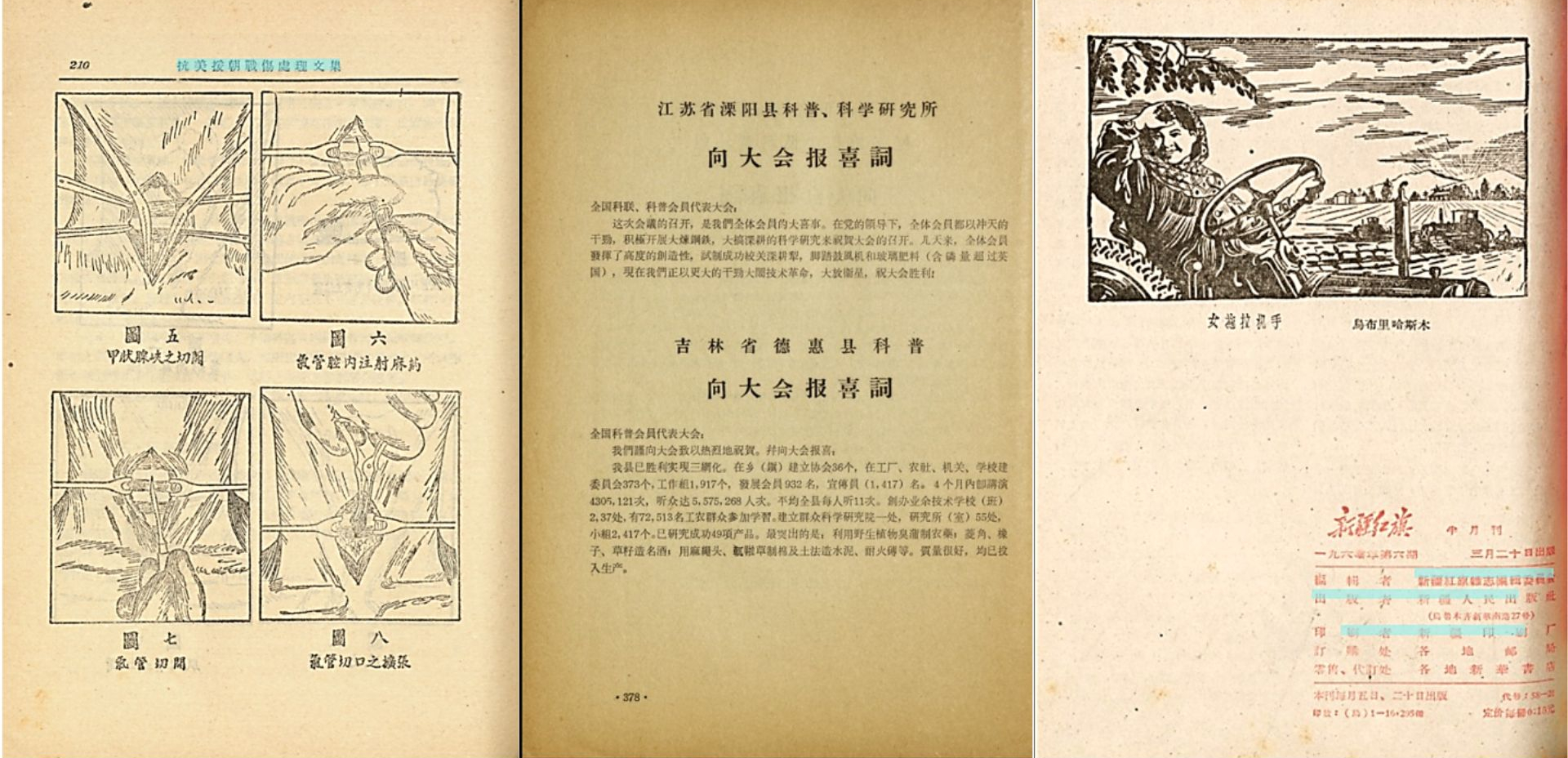
The archive also preserves materials associated with research institutions, including the Chinese Academy of Sciences’ institutes of history, economics, and literature, as well as the Central Institute for Nationalities.
These records illuminate education, scientific development, historical research, academic activities, and the relationship between scholarship, state policy, and political ideology.
Rich Metadata and Multiple Pathways to Discovery
Beyond digitization, the Archive of the Mao Era provides detailed bibliographic descriptions and multiple discovery pathways. Records include original and English titles, dates, historical periods, descriptions, page counts, places of origin, and issuing organizations. Researchers can explore the collection through indexes of people, places, topics, document types, and issuing entities. Whether tracing historical figures, investigating land reform or ethnic research, or examining publications from a particular institution or region, these interconnected access points help scholars identify sources, establish historical context, and uncover new research connections.
Bringing Rare Historical Sources into Global Scholarship
The Archive of the Mao Era does more than preserve records of major political events. By bringing together dispersed and often difficult-to-access materials, it reveals the complexity of twentieth-century China through the documents produced by its institutions, communities, and intellectual life.
Continuously expanding, the collection offers valuable primary sources for modern Chinese history, East Asian studies, political science, economic and social history, anthropology, military history, intellectual history, and cultural studies.
Rediscover the records of the past—and explore new ways of understanding the Mao era.